
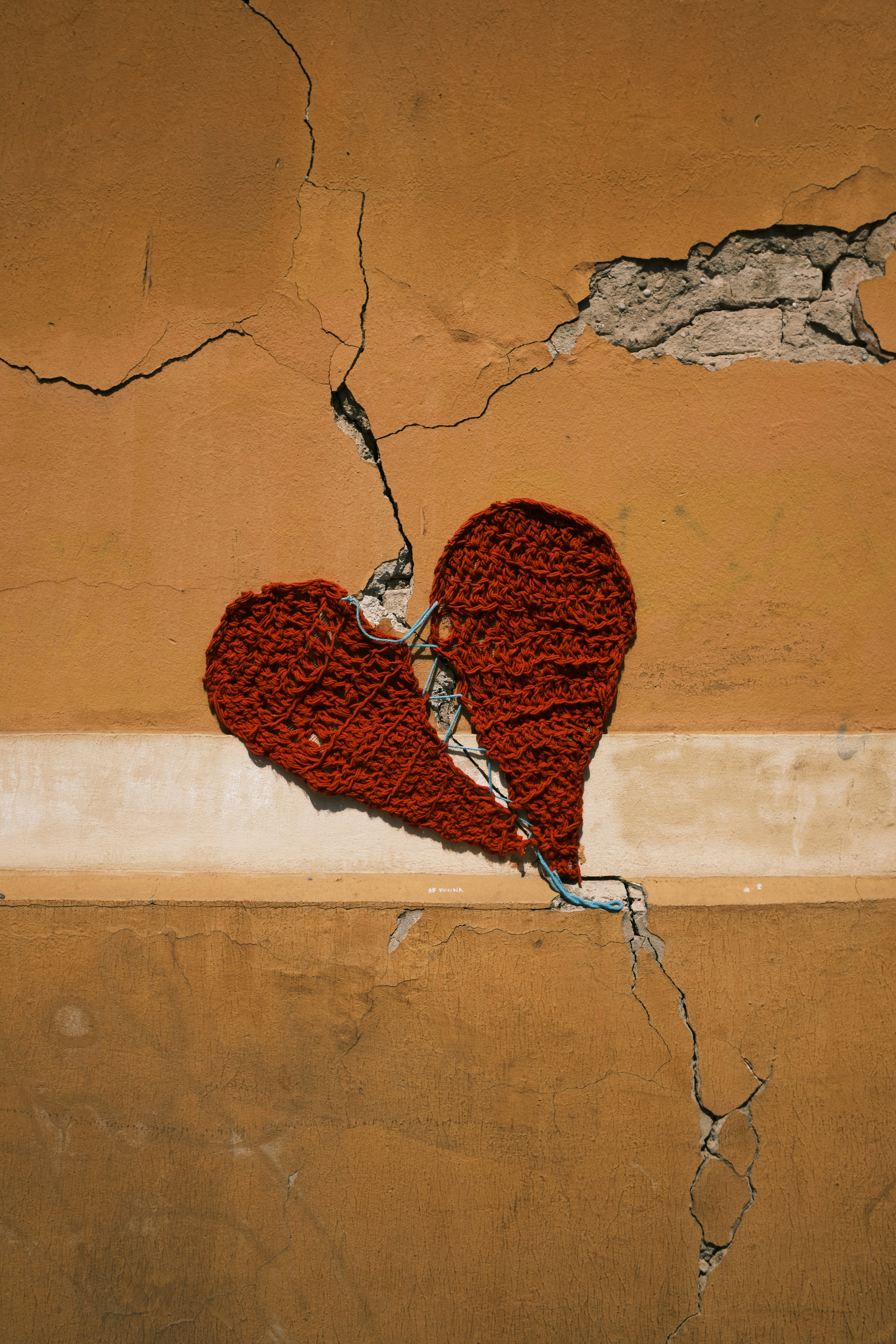
Healing from trauma requires dealing with some overwhelming emotions. Anger and fear are two big ones that come up for most people. Fear emotions are things like panic, anxiety and worry. Anger emotions are things irritation, annoyance and rage. They are difficult to feel, but there is hope and a way forward.
What is trauma? And what does it have to do with emotions?
First, let’s define trauma. Trauma is not an event, situation or experience. Trauma is the way our body responds to events. If the body’s response carries beyond the event itself and starts to affect everyday life we call it trauma. Having a perspective on what trauma is can help us to heal from trauma. While trauma feels heavy and constant, it does not need to be life sentence. Trauma, or the lingering effects of how our body responds to an overwhelming event, is the body’s way of telling us that more time is needed to heal. The body does want to stay like that forever and we can help.
Second. let’s talk emotions. Emotions are how you body speaks. When something dangerous happens, it is really our body that speaks through our emotions, our feelings and reactions. Later, the thoughts catch up and try to find meaning, reasons and answers. A key point with trauma-inducing events is that we get stuck when there are no good answers. Another key thing is that some events are overwhelming but we have to act like we are fine, keep a cool head. We may not have to space or safety to let emotions and thoughts catch up with each other.

Fear and Anger in Trauma: how we get stuck
In any case, the work with trauma is based in the body – meaning we heal by working with the body, and therefore the emotions. In trauma, the body often is speaking with Fear and Anger. These two emotions are difficult emotions to feel, difficult to deal with. They both involve adrenaline and all the fight/flight sensations that come with that. In a perfect world, we would have time to come down from fear and anger, and we would stand a better chance of not being traumatized from an overwhelming experience. But many times in real life this is not possible. Maybe we don’t understand what’s happening or it’s just not an option for some reason to let the body go through it’s emotions.
Expressing Anger and Fear
There are also cultural, societal and relational factors that play into how we deal with anger and fear. We may have expectations placed on us based on gender or our role in the family. These expectations often make it easier or harder to express what we feel. This might mean the emotions are repressed in some way. We may not know we are feeling until we have the chance to slow down and really reflect.
For example, anger can be seen as ‘bad’ thing. Sometimes our families viewed anger as negative or they saw it as something bad or wrong. Or we witnessed people losing their tempers and it was scary.
Fear is the same – some people are conditioned to not show or express fear. Panic is thought to be the fear of fear. The symptoms that come with fear – also very intense – carry some kind of meaning that makes us often want to stop them. Anxiety symptoms are fear – beating heart, sense in impending doom, dizziness, breathing fast or shallow.
When it comes to dealing with these emotions our main focus can be how to stop them. But by trying to stop them it makes us focus on them more, gives them more importance and sort of labels them as bad – ‘I can’t feel this’. ‘I shouldn’t feel this way’.

Allowing space for the emotions in trauma work
Remember that trauma is not the event but the response. And up until the point where we face these emotions we are probably trying to push them away. So at first, we need some time of being with them – allowing the body to do what did not have the chance to do before. Let the emotion run it’s course, discharge it’s intense energy and then let your system naturally return to its calm, regulated state.
Think of the analogy of water with emotions. We try to hold it back, the pressure builds, it flows out in areas where we don’t expect, to places we don’t want. We can try to allow a little out in controlled ways. Or allow the flow to run it’s course. Another analogy is of energy, electricity. Emotions have a charge that gets built up and in trying to not feel, not discharge the energy we will burn out, blow a fuse.
How to heal from trauma using the body: Working with anger and fear
Regulating the physical body: Liver and Kidney Regions
Anger and Fear both have intense physical sensations and are related to regions of the body. Traditional Chinese Medicine sees the liver as related to anger and fear is related to the kidney. We can use stretches and yoga to ease and stimulate healing in these areas. Regardless of whether you buy into Traditional Chinese Medicine, stimulating the areas related these organs will feel calming. We can think of the area around the kidneys where adrenaline is produced as linked with fear. The liver is related to anger. There is an old term ‘spewing bile’ that refers to expressing anger. There must be something in these old sayings! A yin yoga approach to healing emotional states includes long held stretches that stimulate and restore the areas of the body related to these organs. Additionally, in long held stretches we are encouraged to breathe and focus on the present moment, which is also a skill that will help the emotions to process and take their course.
Finding release through Progressive Muscle Relaxation
When we feel tense from anger or fear we can use purposeful tension in the body to help us to release. Instead of trying to relax, we bring more tension to the body, hold to the point of some discomfort and then release. Being able to feel the difference is a useful psychological experience but also helps to discharge some of the intense emotional energy that goes with fear and anger.
Cultivate the opposite feeling: Grounding
While discharging energy is like going with the flow of the emotions, grounding is more about introducing an opposite feeling of safety. Try making a cocoon of blankets and take a nap. Using yoga nidra (means ‘Yoga Sleep’) is great way to turn relaxation into real restoration. It is very useful for helping to calm intense emotional states and aids in the healing of the body.
It would be worth exploring different methods to discharge tension and other methods to calm and ground. This will eventually help you to get a better sense of what you need and when. Many of us will need one thing at a certain time and then another thing later. It will about tuning into what the body feels like and working with trial and error to decide the best way to meet the body’s needs.

Final word on Perspective and Hope
It is important to mention here that sometimes the path to healing initially makes us feel more uncomfortable. Noticing emotions when we have been trying to escape them will initially be uncomfortable. Here I encourage the long term perspective. You may have strategies and behaviors that have helped you to cope with trauma in the short term. Staying with our short term coping strategies will give short term relief but in the long run we will be the same or worse.
What can help in the long term is to disarm the emotions. Fear and anger are not ‘bad’ emotions. They feel intense, difficult and make us uncomfortable. But like any emotion, they are nothing more than the body’s way of communicating to us, trying to tell us something we need to know. Anger says ‘Something is not right, not fair’ Fear says ‘I am under threat, I am in danger, Something bad will happen.’ And if we are frustrated with the occurrence or timing of emotions, it is usually fixed by just being more curious – what is happening for me that is making this feeling come up. What can I notice? Trying to resist the desire to explain and just get into observing for a while will help. But it can feel uncomfortable to not have an answer immediately.
Find relief from trauma
Trauma Therapy in Katy, TX
Trauma can be debilitating but it is also something you can come back from. If you are ready to address trauma in therapy, reach out for help. It can feel overwhelming to begin to focus on the problem, however, you are not alone in the journey. If you need help, talk to a supportive friend, speak to your doctor or find a trauma-informed therapist. Therapy offers a place to process trauma and the effects on our lives. Working with a trauma-informed therapist can help you to find confidence in your ability to cope and heal. I work with individuals (aged 15+) with issues like trauma, anxiety and anger management.
You can contact me by sending me a message on my contact page. I offer free 15 minute phone consultations to answer your questions and speak about your individual needs.