
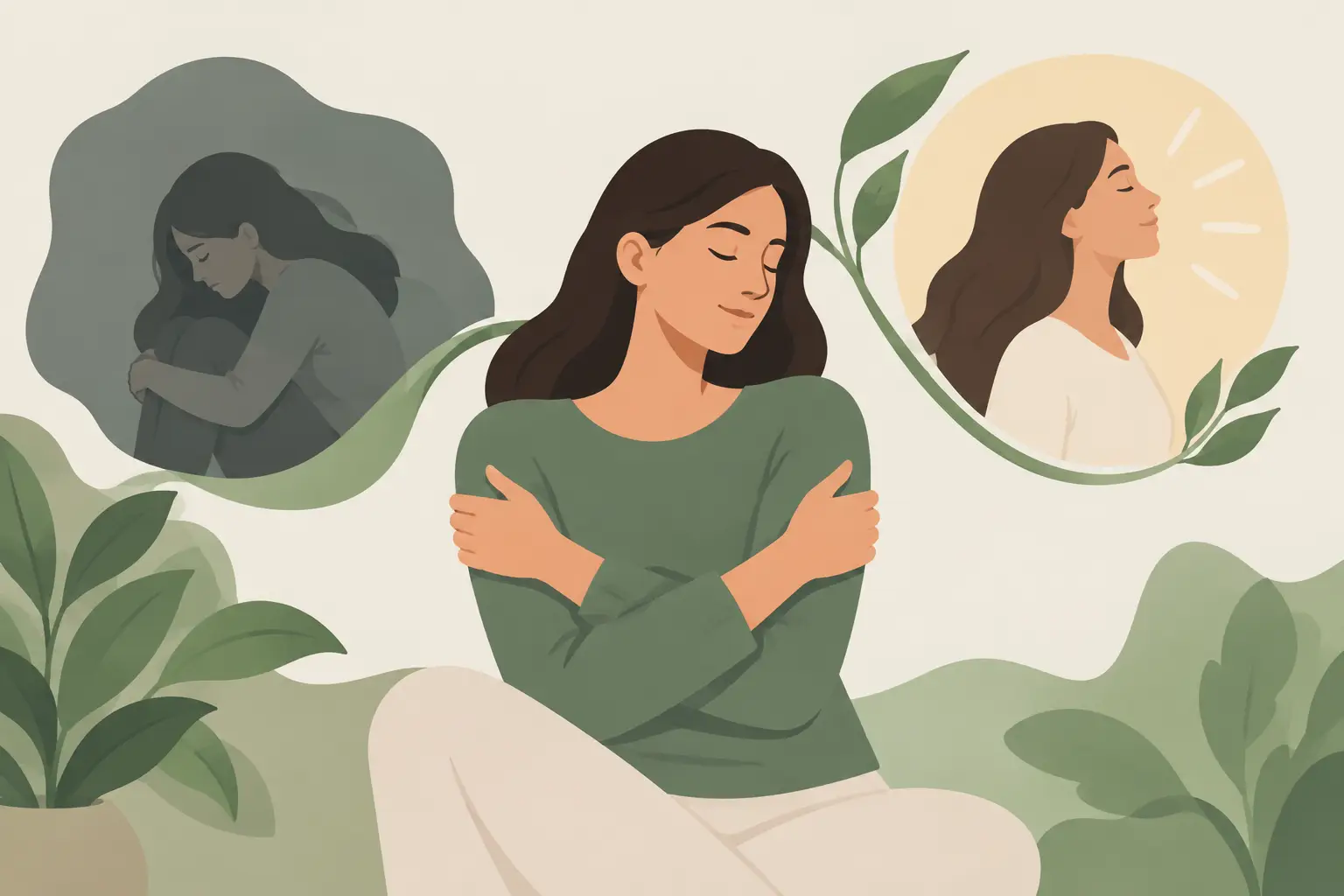
The argument may be over, but your body is still bracing for the next text, the next silence, or the next sign that someone is pulling away. That is often where a guide to attachment style healing needs to begin: not with blame or labels, but with the patterns your nervous system learned to use for protection.
Attachment patterns can shape how you ask for reassurance, handle conflict, set boundaries, and choose partners or friends. They can also influence the relationship you have with food, your body, work, and achievement. The good news is that attachment is not a life sentence. With insight, steady practice, and the right support, you can build a more secure relationship with yourself and others.
What attachment styles actually describe
Attachment theory explores how early relationships with caregivers influenced our expectations of closeness, safety, and support. If care was consistently responsive, you may have learned that connection is generally safe. If care was unpredictable, emotionally distant, frightening, or inconsistent, your system may have adapted differently.
The most common attachment patterns are secure, anxious, avoidant, and disorganized. These are useful descriptions, not diagnoses and not fixed identities. Most people show different tendencies in different relationships, especially during stress.
Anxious attachment can look like overthinking, fear of abandonment, people-pleasing, or needing frequent reassurance. Avoidant attachment may show up as emotional distance, discomfort with dependence, shutting down during conflict, or a strong urge to handle everything alone. Disorganized attachment can involve wanting closeness while also feeling afraid of it, creating a painful push-pull pattern.
These responses developed for a reason. A child who could not reliably get comfort may have learned to intensify their needs to be noticed. Another may have learned to minimize needs because asking did not feel safe or useful. What once helped you cope may now interfere with the intimacy, calm, and self-trust you want.
A guide to attachment style healing starts with curiosity
Healing does not begin by forcing yourself to be less needy, more independent, or endlessly calm. It starts by noticing what happens inside you when connection feels uncertain.
Consider a recent moment when you felt rejected, criticized, ignored, or overwhelmed by another person. What was the trigger? What story did your mind tell you? Perhaps it was, “I do not matter,” “They are going to leave,” or “If I need anything, I will be a burden.” Then notice the protective behavior that followed. Did you send multiple messages, go silent, criticize, numb out, overwork, restrict food, or agree to something you did not want?
This is not an exercise in judging yourself. It is a way to separate the present moment from an old survival strategy. When you can name the pattern, you gain more choice about what happens next.
A simple practice is to pause and ask: “What am I feeling? What do I need? What would support me before I act?” You may not have a clear answer at first. That is okay. Secure attachment grows through repeated experiences of responding to yourself with attention and care.
Regulate your body before you try to solve the relationship
Attachment wounds are not only cognitive. They are often held in the body as a racing heart, tight chest, nausea, numbness, shallow breathing, agitation, or an urge to escape. When your nervous system is in threat mode, even a neutral facial expression or delayed reply can feel loaded with danger.
Trying to reason your way out of activation can help, but it may not be enough. Begin with the body. Put both feet on the floor. Lengthen your exhale. Name five things you can see. Place a hand on your chest or cheek if that feels comforting. Take a brief walk, stretch, or use a grounding yoga posture.
The goal is not to erase emotion. It is to bring your system back into a range where you can think, communicate, and choose instead of react. For some people, breathwork feels calming. For others, especially those with trauma histories, focused breathing can feel activating. If that is true for you, use movement, sensory grounding, or orienting to your surroundings instead.
Over time, these practices teach your body an essential lesson: distress can move through you without taking over.
Practice secure communication in small, honest moments
A more secure attachment style is not about never needing reassurance. It is about expressing needs directly, respecting another person’s limits, and remaining connected to yourself even when the answer is not what you hoped for.
Instead of, “You never care about me,” try, “When I did not hear from you, I noticed I felt anxious. Could we talk about what communication feels realistic for both of us?” Instead of disappearing after a disagreement, try, “I am feeling flooded and need an hour to settle. I want to come back to this.”
These words may feel unfamiliar if your usual response is to protest, pursue, please, withdraw, or shut down. Start with low-stakes relationships and small requests. You might tell a friend you need to reschedule, ask a partner for a check-in after a difficult day, or say no without offering a long explanation.
Healthy connection requires reciprocity. Attachment healing does not mean learning to tolerate inconsistency, dishonesty, or harmful behavior. A secure response may sometimes mean stepping back from a relationship that repeatedly leaves you anxious, dismissed, or unsafe.
Build a relationship with yourself that you can rely on
Many attachment patterns become less intense when you learn to show up for yourself consistently. This is not a substitute for supportive relationships. Human beings need connection. It is a foundation that makes connection feel less like an emergency.
Keep promises to yourself that are small enough to honor. Eat regularly if anxiety has made meals difficult. Rest before exhaustion forces you to stop. Journal after a trigger rather than immediately searching for certainty from someone else. Choose one person who feels emotionally safe and let yourself practice receiving care.
Pay attention to your inner voice, too. If you speak to yourself with contempt after every mistake, your nervous system receives the message that closeness with you is not safe. A more compassionate response can be simple: “This is hard. I am activated right now. I can slow down before deciding what this means.” Compassion is not letting yourself off the hook. It is creating the conditions for meaningful change.
When therapy can help attachment healing go deeper
Self-awareness is powerful, but some patterns are rooted in experiences that were too overwhelming to process alone. Childhood emotional neglect, betrayal, family conflict, abuse, loss, addiction, and relational trauma can all affect attachment. If your reactions feel intense, repetitive, or disconnected from what is happening now, therapy can offer a structured place to understand why.
Attachment-focused work may include cognitive behavioral strategies, trauma-focused therapy, Internal Family Systems, mindfulness, somatic approaches, and communication skills. The right approach depends on your history and goals. Some people need help calming a chronically activated nervous system before exploring painful memories. Others are ready to work directly with relationship patterns, boundaries, or the parts of themselves that fear closeness.
For adults and young people in Katy and the Houston area, personalized therapy can help turn insight into lived experience. The therapeutic relationship itself can become a place to practice trust, repair, honesty, and healthy dependence at a pace that feels manageable.
Let progress look real, not perfect
Attachment healing rarely happens in a straight line. You may communicate clearly one week and spiral after a delayed text the next. That does not mean you are back at the beginning. It means your system is learning a new response under real-life pressure.
Look for quieter signs of progress: you pause before sending the third message, recognize a boundary sooner, recover from conflict more quickly, or choose someone who treats you with consistency. You may still feel fear, but you no longer let fear make every decision.
You learned your attachment strategies in relationships, and healing happens through new relational experiences – including the relationship you build with yourself. Each moment of honest communication, regulation, and self-respect helps you become more secure, more resilient, and more like you, only better.