
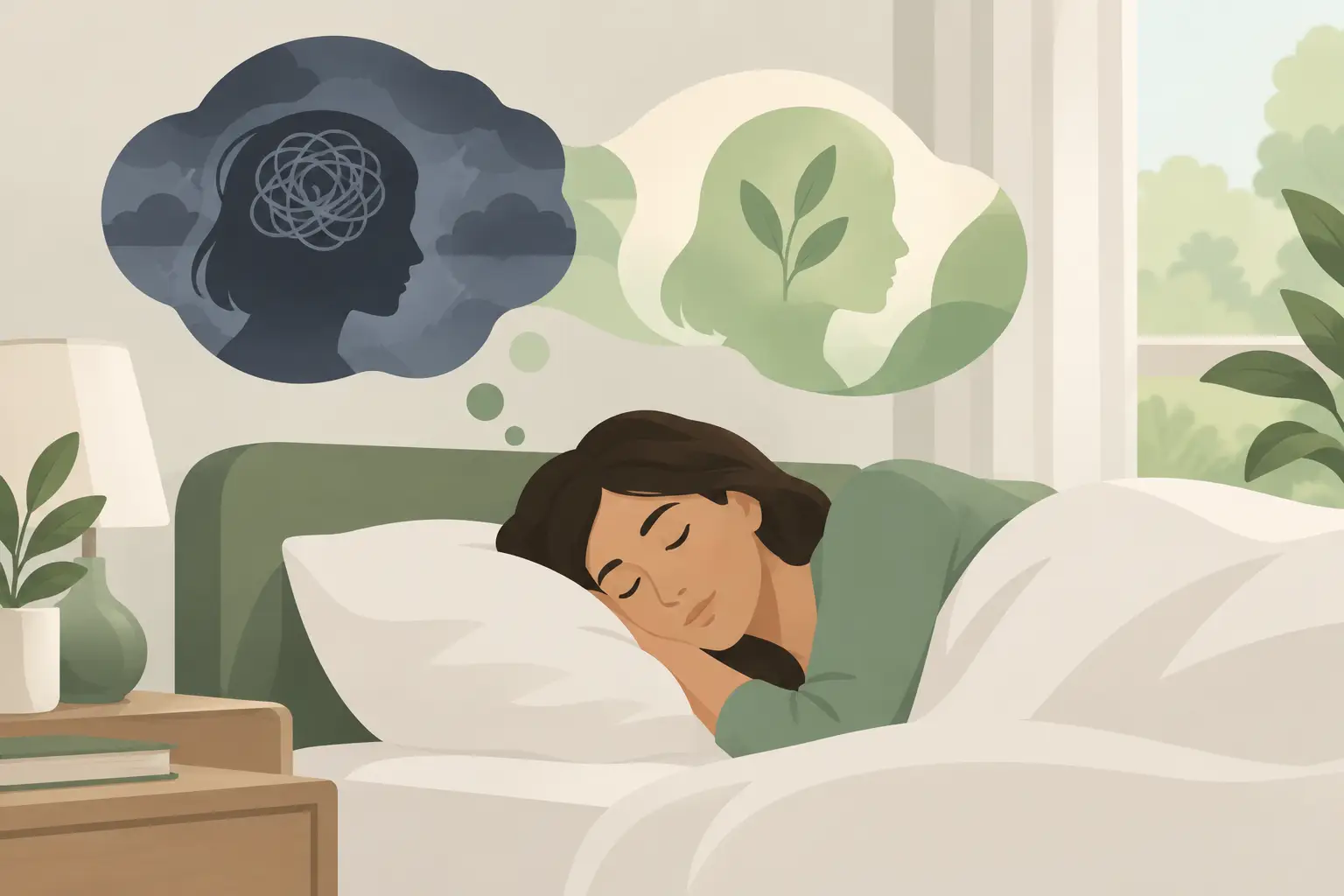
A person can be exhausted all day, then feel wide awake the moment the lights go out. They may fall asleep quickly but wake at 2:00 a.m. with a racing heart, or dread bedtime because dreams feel too vivid. If you have asked, “does trauma affect sleep quality?” the answer is yes. Trauma can change how the brain and body respond to rest, making sleep feel less like a refuge and more like a time when the nervous system stays on guard.
This is not a personal failure or evidence that you are “bad at sleeping.” It is often a protective response that outlived the danger it was designed to manage. With the right support, people can build a greater sense of safety in their bodies, their bedrooms, and their nights.
How trauma affects sleep quality
Sleep requires a degree of surrender. Your body must lower its guard, release conscious control, and move through predictable shifts in awareness. After trauma, especially when an experience was overwhelming, repeated, or occurred in a relationship that should have been safe, that surrender can feel risky to the nervous system.
The brain may continue scanning for threat even when your rational mind knows you are safe. This can show up as difficulty falling asleep, frequent waking, shallow or restless sleep, early-morning waking, nightmares, or feeling unrefreshed after a full night in bed. Some people also sleep for long periods because exhaustion, depression, shutdown, or avoidance has taken over. Trauma-related sleep difficulties do not look the same for everyone.
Stress hormones can play a role. When the body is activated, it may produce the physical sensations associated with danger: a faster heartbeat, tense muscles, alert thoughts, digestive discomfort, and heightened sensitivity to sound. A small noise in the house, a partner turning over, or an unfamiliar sensation can trigger a response that feels much bigger than the moment calls for.
Nightmares are not just “bad dreams”
For some people, nightmares replay parts of a traumatic experience. For others, the content is unrelated on the surface but carries the same emotions: helplessness, fear, shame, grief, or being trapped. Waking from these dreams can leave the body flooded with stress chemicals, making it hard to return to sleep.
Avoiding sleep after nightmares makes sense in the short term. It can also create a painful cycle. The more sleep someone loses, the harder it often becomes to regulate emotions, concentrate, cope with triggers, and feel resilient during the day. Poor sleep can intensify trauma symptoms, while trauma symptoms further disrupt sleep.
Why bedtime can make symptoms louder
During a busy day, work, parenting, school, movement, conversations, and screens can keep difficult thoughts at a distance. At night, there are fewer distractions. This quieter space may allow memories, body sensations, and emotions that have been pushed aside to become more noticeable.
For people with developmental trauma or chronic relational stress, bedtime may also activate old patterns without a clear memory attached. The body may associate darkness, quiet, being alone, or being physically still with vulnerability. You may not be consciously thinking, “I am in danger,” but your body may behave as though danger is near.
This is one reason generic sleep advice can feel incomplete. A cooler room, a consistent bedtime, and less late-night scrolling can support better rest. But if the primary issue is a nervous system that does not yet feel safe enough to downshift, sleep hygiene alone may not solve it. The goal is not to force relaxation. It is to help your system learn, gradually and repeatedly, that rest can be safe now.
What can help trauma-related sleep problems
There is no single technique that works for every person, and trying to fix sleep perfectly can add more pressure. A trauma-informed approach starts with curiosity: What happens before sleep, during the night, and after you wake? Are there patterns around conflict, anniversaries, alcohol use, certain sensations, or specific dreams? Understanding the pattern helps guide treatment.
Create cues of safety, not rules to perform
Your evening routine does not need to be elaborate. It needs to be realistic and calming enough that you will use it. Consider choosing a few predictable cues: dimming lights, taking a warm shower, drinking a caffeine-free beverage, stretching gently, listening to a familiar calming audio track, or writing down tomorrow’s tasks so your mind does not have to hold them overnight.
Some people sleep better with a weighted blanket, white noise, a night-light, a pet nearby, or the bedroom door positioned in a way that feels more secure. Others find those same things overstimulating. Pay attention to what helps your body settle rather than what you believe you should prefer.
It can also help to orient to the present before bed. Slowly look around the room and name a few neutral details: the color of the wall, the feel of the sheets, the sound of the air conditioner. Remind yourself of the date, your age, and where you are. These simple grounding practices can help distinguish the current moment from the past.
Work with the body, not only the thoughts
Trauma is not stored as a single idea that can be reasoned away. It can live in breath patterns, muscle tension, startle responses, numbness, and the urge to stay awake. That is why body-based strategies can be useful alongside talk therapy.
Slow breathing may help, but it is not right for everyone. If focusing on your breath makes you more anxious, begin with something external, such as feeling your feet against the floor or holding a cool object. Gentle yoga-based movement, progressive muscle relaxation, or placing a hand over your chest and noticing the support beneath you may offer a more tolerable path toward settling.
The key is pacing. Pushing yourself to relive trauma before you have enough support and stabilization can worsen sleep and distress. Effective trauma therapy respects your window of tolerance and builds skills for regulation while addressing the deeper roots of symptoms.
Be thoughtful about common coping strategies
Alcohol, cannabis, over-the-counter sleep aids, and late-night scrolling may seem to offer immediate relief. Yet each can have trade-offs. Alcohol may make it easier to fall asleep but often fragments sleep later in the night. Screens can distract from intrusive thoughts, but stimulating content and bright light can keep the brain activated. Sleep medications can be appropriate for some people when prescribed and monitored by a medical professional, but they do not resolve the trauma response on their own.
You do not need to shame yourself for coping. Instead, notice what a strategy gives you in the moment and what it costs you afterward. That awareness creates room for more supportive options.
When therapy can make a meaningful difference
If nightmares, panic at bedtime, insomnia, or exhaustion are affecting your mood, relationships, work, school, or physical health, professional support can help. Trauma-focused therapy may include cognitive behavioral strategies for sleep and anxiety, trauma processing, Internal Family Systems-informed work, mindfulness, and somatic approaches that help the body recognize safety.
The best approach depends on your history and current needs. Someone with a single recent traumatic event may need something different from someone coping with childhood trauma, grief, relationship violence, addiction-related experiences, or years of chronic stress. A personalized plan matters.
A therapist can also help you separate trauma-related sleep disruption from other concerns that may need medical evaluation, such as sleep apnea, chronic pain, thyroid issues, medication side effects, restless legs syndrome, or depression. If you are having thoughts of harming yourself, feel unsafe, or are unable to function because of sleep loss, seek urgent support through local emergency services, a crisis resource, or a qualified health professional.
For adults and young people in Katy and the greater Houston area, trauma-informed care can offer a space to understand what your nights have been communicating. You are not broken because rest feels difficult. Your system may be asking for safety, steadiness, and support in a language it learned long ago.
Tonight, choose one small signal of care rather than demanding a perfect night’s sleep. Let that be the beginning: a dimmer light, a gentler inner voice, a moment of grounding, or the decision to ask for help. Healing does not require you to force your body to relax. It asks you to help it learn that it no longer has to stay awake to protect you.