
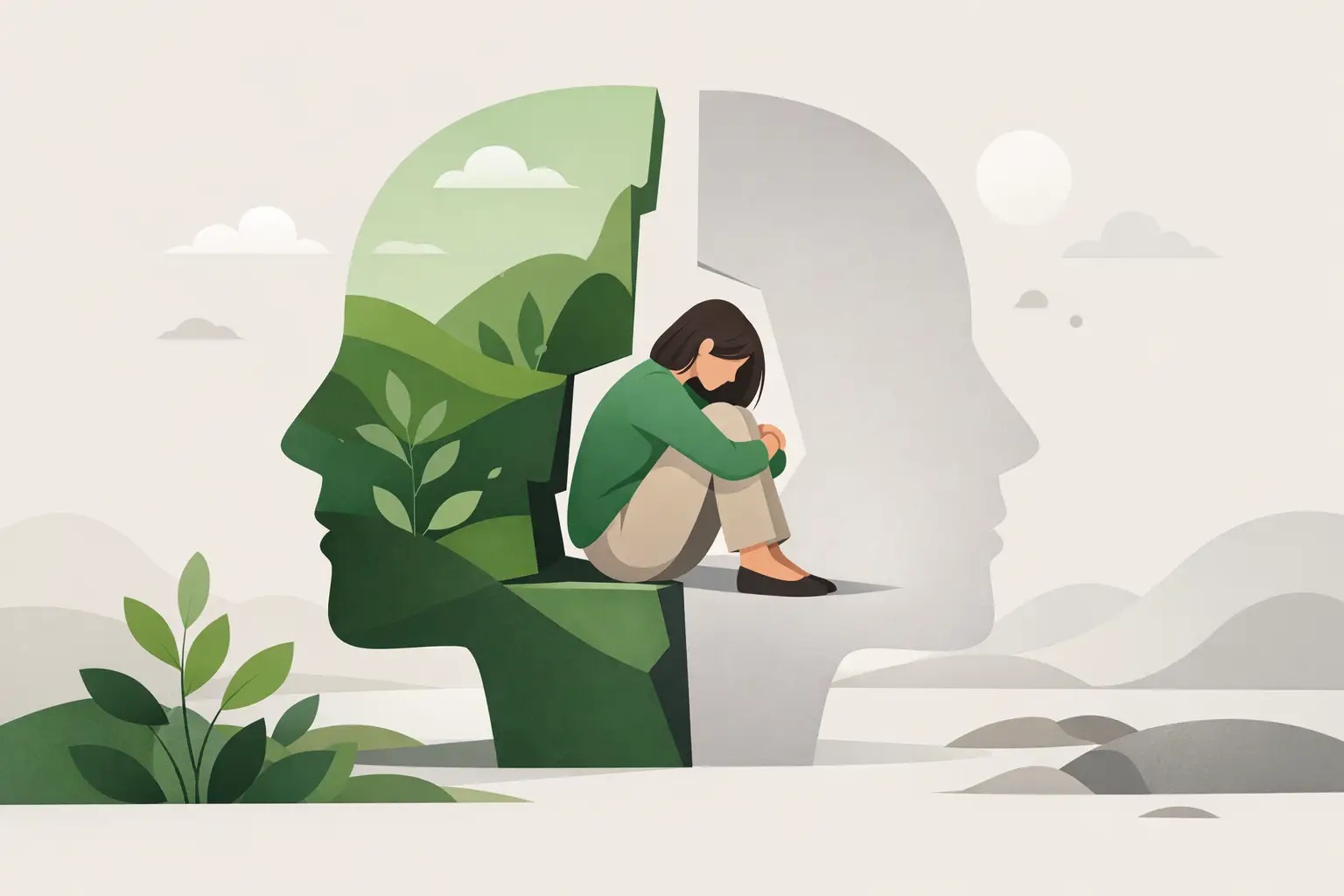
You might notice it in small moments first. A text from someone you love lands flat. Music that used to move you does nothing. You know you should feel sad, happy, angry, or relieved, but instead you feel… blank. If you have been asking yourself, why do I feel emotionally numb, you are not broken, cold, or failing at life. Emotional numbness is often a sign that your mind and body are trying to cope with more than they can comfortably process.
That does not make it easy. Feeling disconnected from your emotions can be unsettling, especially when you are functioning on the outside. You may still be going to work, caring for your family, getting good grades, or keeping up appearances, while privately feeling detached from yourself. The good news is that numbness usually has understandable roots, and with the right support, it can shift.
What emotional numbness can feel like
Emotional numbness is not the same as calm. Calm feels grounded. Numbness feels muted, distant, or shut down. Some people describe it as moving through life behind glass. Others say they feel flat, foggy, unreal, or unable to access emotions that seem stuck somewhere out of reach.
It can affect more than feelings. You may lose interest in things you usually care about, struggle to connect in relationships, feel disconnected from your body, or have trouble making decisions because everything feels equally dull. For some people, numbness shows up alongside anxiety. For others, it appears after a period of overwhelm, grief, conflict, trauma, or chronic stress.
Why do I feel emotionally numb? Common reasons
There is no single answer to why do I feel emotionally numb. In therapy, this is something we look at with care because the same symptom can come from very different experiences. Context matters.
Your nervous system may be protecting you
One of the most common reasons for emotional numbness is nervous system overload. When stress feels too intense, too chronic, or too unpredictable, your system may shift into a shutdown response. This is not a character flaw. It is a survival strategy.
When fight or flight does not feel possible or effective, the body can move toward freeze or collapse. In that state, energy drops, emotions get blunted, and disconnection can take over. You may feel less pain emotionally, but you also feel less joy, less excitement, and less access to yourself.
This is especially common in people with trauma histories, high-functioning anxiety, burnout, or relationships that have felt emotionally unsafe for a long time.
Depression can look flat, not just sad
Many people assume depression always feels like crying, hopelessness, or obvious sadness. Sometimes it does. But depression can also show up as emptiness, low motivation, emotional blunting, and not caring about much of anything.
If numbness has lasted for weeks, is affecting sleep, appetite, energy, concentration, or your ability to enjoy life, depression may be part of the picture. That does not mean you should label yourself quickly. It means the symptom deserves attention.
Trauma can disconnect you from what you feel
Trauma does not only live in memory. It can shape how safe it feels to be present in your body and emotions. If feeling deeply once led to pain, chaos, fear, or rejection, your system may have learned to turn the volume down.
That adaptation can be very intelligent. It may have helped you get through experiences where full emotional access would have been too much. The problem is that what once protected you can later keep you from intimacy, joy, confidence, and ease.
Chronic stress and burnout can flatten everything
You do not need a major trauma history to feel numb. Long-term stress can do it. If you have been carrying too much for too long, your body may stop sending strong emotional signals because it is trying to conserve energy.
This often happens to caregivers, high achievers, students under pressure, and people who are used to pushing through. You may tell yourself you are just tired, but underneath that exhaustion is a system that has been running without enough recovery.
Certain medications or substances may contribute
Sometimes emotional numbness is linked to medication side effects, especially if the change began after starting, stopping, or adjusting a prescription. Substances can also dull emotional experience, both in the moment and over time.
This does not mean medication is bad or that you should stop anything on your own. It means numbness is worth discussing openly with a qualified provider so you can sort out what is helping, what is not, and what options make sense.
Grief does not always look like tears
Loss can create periods of shock and emotional distance. This is common after death, divorce, betrayal, illness, or any major life change. Early grief especially can feel strangely quiet. You may know something significant has happened, but your emotions lag behind.
That does not mean you are doing grief wrong. It often means your system is pacing what it can handle.
Why emotional numbness can be confusing
Numbness tends to make people question themselves. You may wonder if you are selfish, unloving, lazy, or emotionally unavailable. You may feel guilty because you cannot respond the way you think you should.
This is where compassion matters. Emotional numbness is usually not a choice. It is a clue. It tells us that somewhere in the system, something needs attention, support, rest, safety, or deeper healing.
At the same time, numbness is not something to simply ignore. The longer disconnection goes unaddressed, the more it can affect relationships, work, body image, recovery from eating issues, and your overall sense of identity. If you cannot feel what you feel, it becomes harder to know what you need.
What helps when you feel emotionally numb
The first step is to stop forcing yourself to feel on command. Pressure rarely creates emotional access. Safety does.
Start by getting curious about patterns. When did the numbness begin? Was there a stressful event, a loss, a relationship shift, a season of anxiety, or a change in sleep, health, or medication? You do not need perfect answers, but a timeline can be helpful.
It also helps to notice whether the numbness is global or selective. Some people feel numb in every area of life. Others can feel anger but not sadness, or can function at work but feel shut down in close relationships. Those differences matter because they tell us where your system feels least safe.
Small forms of reconnection can help. That might mean stepping outside and noticing temperature and sound, eating regularly, moving your body gently, journaling without trying to be profound, or naming sensations before emotions. For many people, it is easier to start with the body than with feelings. You may not know if you feel sad yet, but you might notice heaviness in your chest, pressure in your throat, or a flatness in your stomach.
This is one reason integrative therapy can be so effective. Talk therapy is valuable, but emotional numbness is not always resolved through insight alone. Approaches that include nervous system regulation, trauma-informed care, somatic work, mindfulness, CBT, or Internal Family Systems can help you understand the numbness and gradually soften it without overwhelming you.
When to seek professional support
If emotional numbness is persistent, distressing, or affecting your relationships, daily functioning, eating patterns, substance use, or sense of self, it is a good time to reach out. You do not need to wait until things get worse.
Support is especially important if the numbness is connected to trauma, panic, depression, dissociation, self-harm, or a major loss. A skilled therapist can help you figure out whether your system is in shutdown, whether depression or grief may be present, and what kind of treatment fits your needs best.
If you are in Katy, Cinco Ranch, Fulshear, or the West Houston area, working with a therapist who understands trauma, nervous system regulation, and the connection between mind and body can make the process feel more targeted and effective.
You are still in there
If you feel emotionally numb, try not to treat that numbness as proof that something is wrong with who you are. More often, it is evidence that your system has been working very hard to protect you. The task is not to judge it. The task is to understand what it has been protecting you from, and what you need now so you can feel safe enough to come back to yourself.
Feeling again usually happens gradually. A little more presence. A little more range. A little more ability to notice what matters. That is still progress, and it counts. You do not have to force your way back. With the right support, you can get back to you, only better.